Why does a roll burn unevenly? Causes and solutions
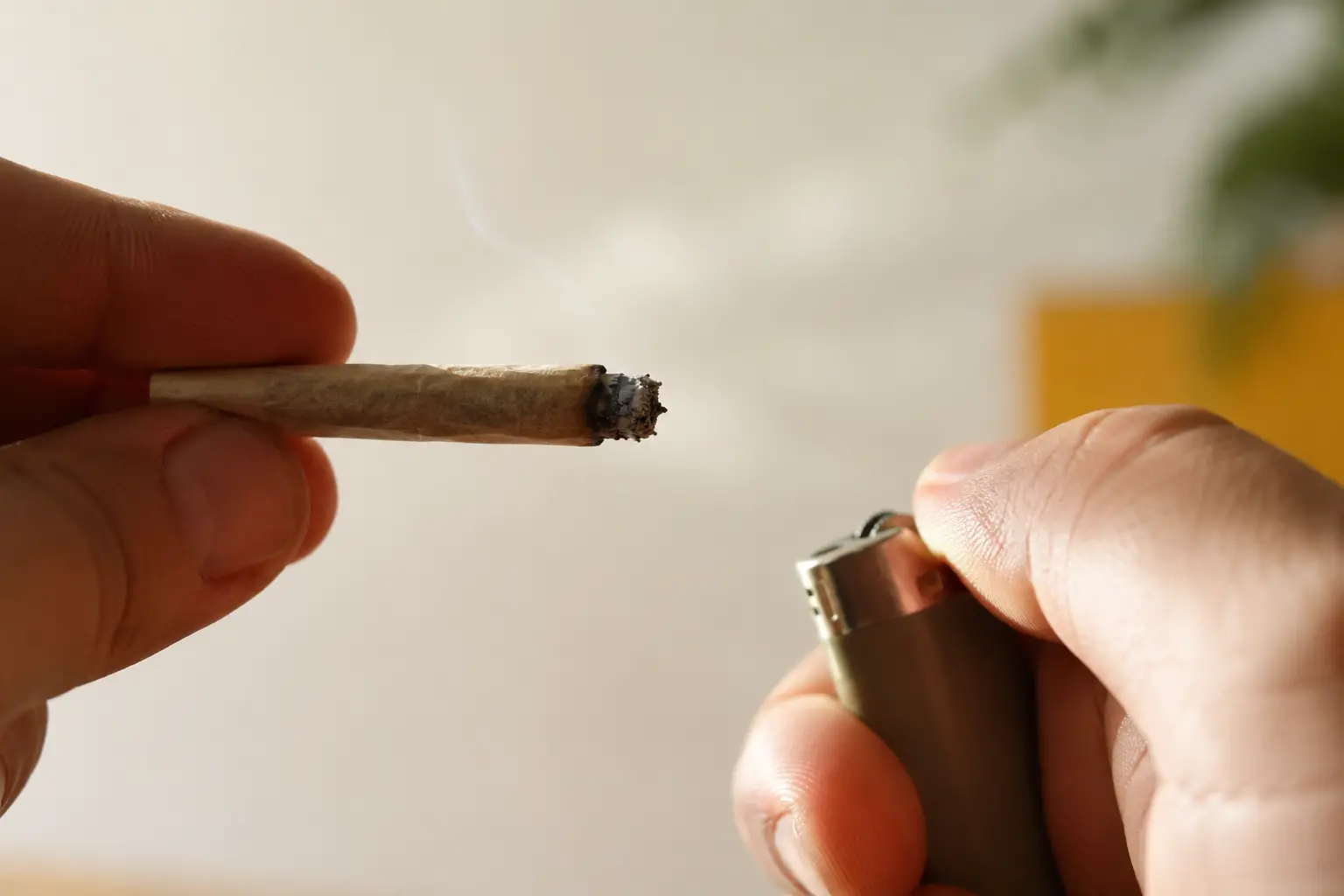
When one side of the paper burns faster than the other, the combustion line becomes diagonal and a strip of unburned paper may appear. This phenomenon is sometimes called canoeing or simply uneven burning.
The problem does not necessarily come from the paper. Uneven distribution of the contents, variable density, improper lighting or a draught are enough to unbalance the burn. Identifying when the defect appears generally makes it possible to find the cause.
Even burning depends on a combination of factors. The paper, contents, rolling, lighting and the way you draw can all influence the progression of the ember.
How can you recognise uneven burning?
A slight difference when lighting can correct itself. The problem becomes more pronounced when one side continues to advance while the other remains almost untouched.
The most common signs are as follows:
- the combustion line forms a pronounced slope;
- a strip of paper remains visible on one side;
- the ember spreads quickly across a specific area;
- the roll has to be relit several times on the same side;
- the ash has a very irregular shape;
- the taste becomes harsher because of burning that is too hot or unbalanced.
If the unevenness appears within the first few seconds, lighting is often the cause. When it develops later and occurs repeatedly, the distribution and density of the contents should be examined instead.
The main causes
| Possible cause | Characteristic sign | Suggested correction |
|---|---|---|
| Incomplete lighting | One side gets ahead from the start | Light the entire circumference evenly |
| Unevenly distributed contents | Thick and thin areas are visible or noticeable | Distribute the contents before closing the paper |
| Uneven density | Some areas are hard while others are very soft | Keep the pressure even while rolling |
| Uneven grinding | Large fragments are mixed with very fine particles | Achieve a more homogeneous texture |
| Uneven moisture | Some parts burn poorly or go out | Use contents that are evenly dry without drying them out excessively |
| Crinkled or poorly closed paper | The burn follows a fold or a thicker area | Smooth the paper and distribute the closure evenly |
| Wind or draught | The exposed side burns noticeably faster | Protect the ember from the air flow |
| Drawing too strongly | The ember becomes very hot and advances quickly | Take slower, more widely spaced draws |
Uneven distribution of the contents
Combustion progresses more easily in areas with sufficient airflow. Conversely, a very compact section receives less air and burns more slowly. If these two densities are next to each other, the combustion line gradually shifts.
Before closing the paper, distribute the contents along its entire length. Avoid localised clumps and empty spaces, particularly near the cardboard filter. The diameter may vary in the case of a cone shape, but the transition should remain gradual.
Rolling too tightly
A very compact roll restricts airflow. If the pressure is not the same across the entire width, the ember will seek the path offering the least resistance and progress further on one side.
After rolling, the whole should remain firm without becoming rigid. An area that is noticeably harder than the others generally indicates excessive density.
Rolling too loosely
Contents that are not held firmly enough create air pockets. The ember may then advance quickly in one area, while another goes out or burns more slowly.
The aim is not to compress the contents strongly, but to obtain a continuous structure. The paper should wrap around them without large internal gaps.
Does grinding affect combustion?
Consistent grinding makes even distribution easier. Large fragments mixed with a significant amount of very fine particles create differences in density and airflow.
An extremely fine texture can compact easily and restrict the draw. Conversely, large pieces create gaps and may exert uneven pressure on the paper.
The grinder should therefore separate the material without systematically reducing it to powder. Also remove hard or pointed elements that could puncture the paper and create a localised air inlet.
The role of moisture
Very moist contents burn with difficulty and may go out repeatedly. If they contain areas that are moister than others, the driest part may get ahead.
Excessively dry contents do not provide controlled combustion either. They may burn quickly and produce more small particles during grinding.
The main aim is to achieve even moisture. Mixing materials stored under different conditions increases the risk of uneven burning.
Do not use material with a musty smell, filaments, unusual fuzz or suspicious marks. In this case, uneven burning is not the main problem: a potentially contaminated product must not be consumed.
Can the paper be responsible?
Damaged, crinkled or unevenly closed paper can disrupt combustion. A significant fold creates a thicker area, while a small tear lets more air in at a specific point.
A poorly moistened strip of glue may also come unstuck and alter the shape of the roll. Simply moisten it slightly and evenly: too much water softens the paper and may delay combustion in that area.
The thickness of the paper affects its burning speed, but on its own it generally does not explain why one side burns faster. If the problem occurs with every paper in the same booklet, check its condition and storage conditions. If several brands produce the same result, the preparation or lighting is probably the cause.
Lighting the entire circumference properly
Lighting concentrated on a single point immediately creates a lead. Slowly rotate the roll in front of the flame so that the entire edge begins to burn evenly.
You can first warm the circumference slightly without drawing strongly. Once the combustion line has formed, small draws help stabilise the ember.
Avoid holding a large flame directly on one side. This method quickly burns the exposed paper without necessarily lighting the contents underneath evenly.
The influence of wind and draws
A draught supplies more oxygen to the exposed side and accelerates its combustion. Outdoors, even a moderate wind can cause a diagonal line although the roll was properly prepared.
Protect the ember with your hand without enclosing it completely and change its orientation if necessary. Do not place the lit part too close to clothing or flammable materials.
Long, frequent or very strong draws increase the temperature of the ember. If the draw is already uneven, they quickly accentuate the imbalance. Gentler, more widely spaced draws give the combustion line more time to even out.
How can you correct a burn that is moving to one side?
Intervene as soon as a shift becomes visible. The greater the difference, the more paper must be burned or moistened to correct it.
Heat the side that is burning too slowly
Briefly hold the flame in front of the section of paper that is still intact, without burning the side that has already advanced for too long. Rotate the roll to reform a more even line.
This method is suitable when a small section failed to light initially. Proceed carefully to avoid creating a new lead in the opposite direction.
Slow down the side that is advancing too quickly
You can moisten the edge of the paper that is burning too quickly very slightly. The moisture must remain localised and minimal. A soaked sheet deforms, affects the draw and may tear.
Wait a few moments before continuing so that the area is not directly exposed to the flame while it is still damp.
Let the ember stabilise
When the shift is minor, stop drawing for a few moments while keeping the roll horizontal and sheltered from the wind. The more advanced section may slow down while the rest of the line continues to burn.
Put it out and relight if necessary
If one side has gained a significant lead, a local correction may unnecessarily burn a large amount of paper. Let the ember go out completely, carefully remove unstable ash, even out the end without emptying the contents, then relight the entire circumference.
The right reflex: correct a slight tilt immediately. Waiting until a long strip of paper remains intact makes rebalancing more difficult.
Preventing the problem while rolling
- Use contents with a consistent texture and moisture level.
- Distribute them along the entire length before closing the paper.
- Remove clumps, large gaps and pointed elements.
- Apply even pressure without over-compressing.
- Align the cardboard filter correctly with the edge of the paper.
- Smooth out significant folds before closing.
- Moisten the glue strip lightly and evenly.
- Light the entire circumference while rotating the roll.
- Protect the ember from the wind and avoid drawing too strongly.
Occasionally uneven burning does not necessarily mean that the preparation is poor. However, if the phenomenon keeps occurring, observe when it begins. An immediate defect often indicates a lighting problem, while a recurring deviation in the same place is more likely to reveal a difference in filling or density.
Burning plant materials and paper produces harmful substances. Even burning improves control during use, but does not eliminate the risks associated with inhaling smoke. Avoiding combustion remains the most direct way not to inhale its products.
Related guides

How to use Gabi on gaiabis.ch
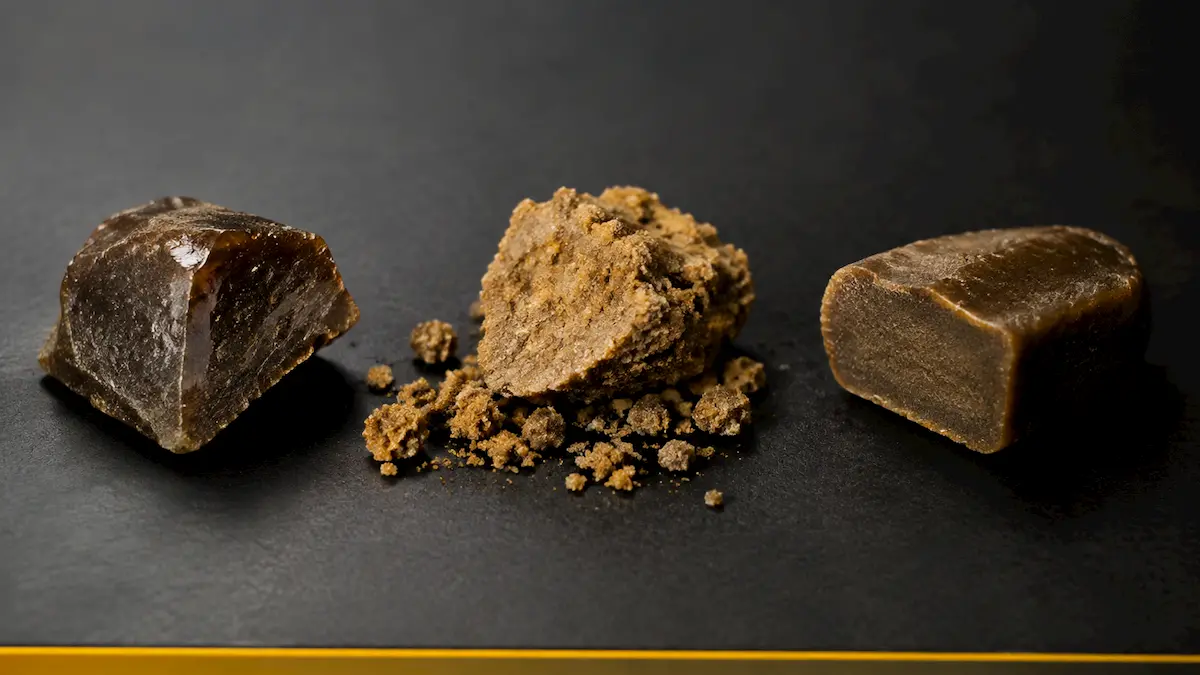
Hash textures: understanding glassy, cured, crumbly and creamy