
Lighting and combustion: what we sometimes inhale without realising it
Combustion produces emissions that smell cannot measure. What sources can tell us about fuel, lighting and the limits of a comparison.
An unusual smell when lighting raises a reasonable question: what is being inhaled? Smell may signal a change, but it measures neither substance concentration nor exposure. Answering requires separating the burning material, ignition source and conditions of use.
Combustion remains central
Burning material produces more than its aroma. Smoke contains a mixture whose composition depends on the material and combustion conditions. The FOPH notes respiratory and cardiovascular risks from smoking cannabis, which is often mixed with tobacco.
Changing a lighter, using a filter or waiting briefly therefore does not make smoke inhalation risk-free. Choosing an accessory does not remove combustion of the material.
The fuel has its own characteristics too
A gas lighter and a liquid-fuel lighter use different products. Zippo safety data sheets describe fuel hazards and possible combustion products. They help explain and handle the product; they do not quantify what a user inhales during a particular puff.
Use the fuel specified by the manufacturer and follow its filling and storage instructions. An odour does not establish a dose, while an absence of odour does not establish an absence of unwanted substances.
Why we do not rank puffs
You may encounter claims that the first puff always contains more ignition residues, or that a flame becomes “clean” after a fixed delay. The sources cited here do not establish those general rules. Measurements would need to define the fuel, equipment, burning material and emission sampling procedure.
A change in taste is not a toxicological test. We therefore provide no waiting time or action presented as a safety guarantee.
Read emission comparisons within their limits
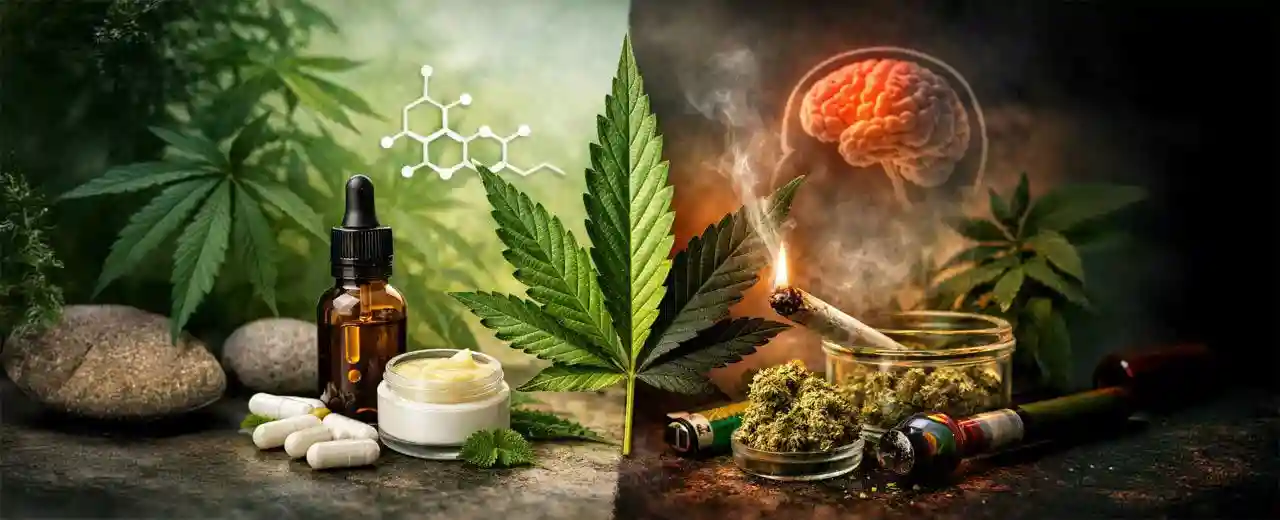
A report commissioned by the FOPH compares emissions from cannabis products under defined experimental conditions. Comparing combustion and vaporization in that setting does not provide a universal measurement for every device or puff.
To choose a vaporizer, start with the permitted material, the manual and accessory compatibility. Technical characteristics should remain separate from health promises.
Questions to ask about a claim
- Which material and fuel were tested?
- Which equipment and conditions were used?
- Do the measurements concern emissions or actual exposure?
- Does the conclusion stay within the trial’s scope?
These questions help prevent a sensation, preference or sales tip from becoming evidence. Understanding measurement limits is part of useful information about accessories.


comments