CBD and pain: staying informed without promises
CBD is often mentioned when talking about pain, whether occasional or chronic. Yet the internet contains many sometimes contradictory claims, ranging from enthusiastic testimonials to exaggerated promises.
This guide aims to explain what scientific knowledge can actually tell us today, while remaining cautious. Cannabidiol is the subject of extensive research, but it should not be presented as a treatment or guaranteed solution for pain.
Key points
- CBD is currently the subject of extensive scientific research.
- Studies on pain show results that are still variable.
- No CBD product should be presented as a medicine for pain.
- Product quality remains an essential criterion.
- It is preferable to rely on trustworthy sources rather than commercial promises.
Why do people talk about CBD and pain?
Cannabidiol interacts with the endocannabinoid system, a network naturally present in the human body that plays a role in various physiological mechanisms studied by researchers.
This interaction explains why researchers are interested in CBD in many areas, particularly when seeking to better understand certain mechanisms related to pain perception or inflammatory processes.
What does current research say?
Studies published so far show results that are sometimes encouraging, but they remain heterogeneous.
Protocols often differ according to:
- the type of pain studied;
- the duration of the study;
- the number of participants;
- the form of CBD used;
- the concentration of the product.
These differences make comparisons difficult and currently do not allow us to claim that CBD is an effective solution for every situation.
Is CBD a medicine?
No. CBD products available on the market should not be presented as medicines when they do not have specific authorisation.
They must not claim to treat, prevent or cure a disease or pain.
This distinction is important to ensure that consumers receive clear information that complies with regulations.
Why do some people use CBD?
Many consumers say they incorporate CBD into their daily routine as part of a general approach to well-being.
Personal testimonials exist, but they do not replace scientific studies. One individual's experience cannot predict the results for another person.
What CBD products are available?
Cannabidiol is available in different categories:
- CBD oils;
- CBD flowers;
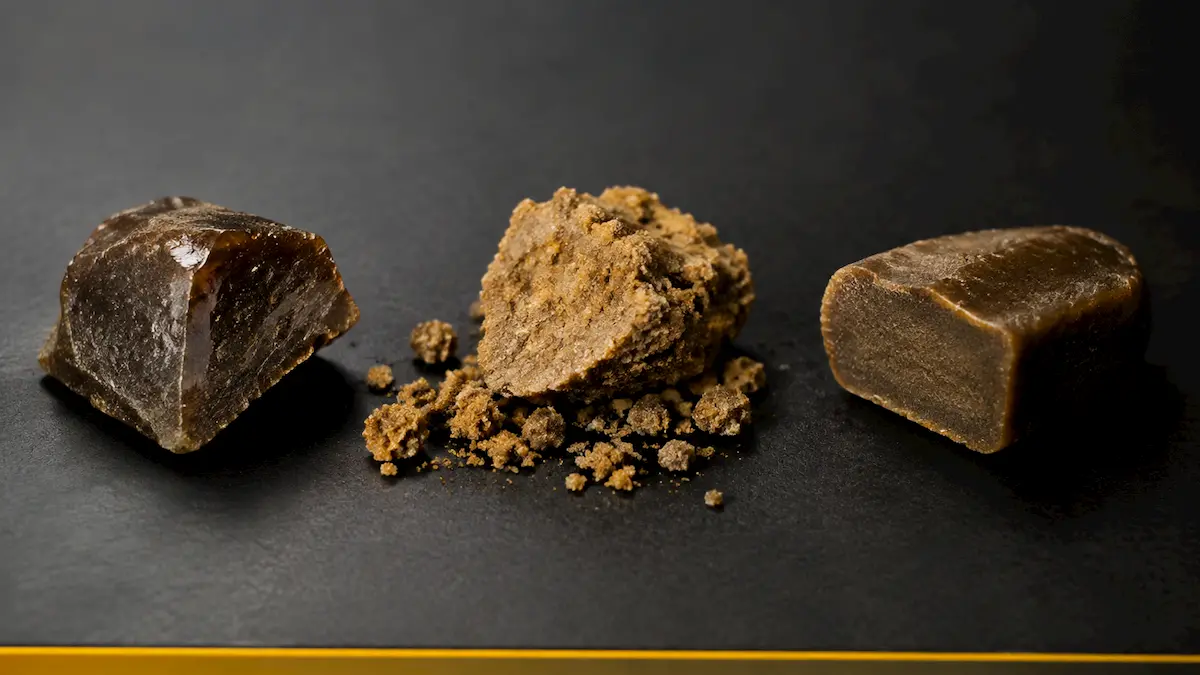
- CBD hash;
- capsules;
- cosmetics;
- other hemp-derived products.
Each category has its own characteristics and method of use.
Full Spectrum or Broad Spectrum?
CBD oils are generally available in several forms:
- Full Spectrum, containing several cannabinoids, terpenes and flavonoids, with potentially very low traces of THC within legal limits;
- Broad Spectrum, which retains several natural hemp compounds while generally being formulated to remove THC.
The choice between these extracts depends on personal preferences and does not make it possible to draw conclusions about their potential effectiveness.
How do you choose a quality CBD product?
Before buying a CBD product, several factors are worth checking:
- hemp origin;
- extraction method;
- clearly stated composition;
- compliance with Swiss regulations;
- manufacturer transparency.
These criteria are often more useful than marketing promises.
Beware of excessive promises
On the internet, some products are presented as being capable of relieving all pain or replacing certain treatments.
These claims should be approached with caution. They generally correspond neither to current scientific knowledge nor to the rules governing the marketing of CBD products.
When should you consult a healthcare professional?
Persistent, intense or unusual pain should always be assessed by a healthcare professional.
CBD should never delay a diagnosis, replace prescribed treatment or lead you to stop medical follow-up without medical advice.
Conclusion
The link between CBD and pain continues to be studied by scientific research. The available results remain incomplete and do not allow us to claim that cannabidiol is a universal solution for pain. To make an informed choice, it is preferable to prioritise objective information, precise product characteristics and realistic expectations rather than commercial promises.
Related guides

How to use Gabi on gaiabis.ch
Hash textures: understanding glassy, cured, crumbly and creamy