Legal CBD in Switzerland: what the 1% THC threshold really means
In Switzerland, cannabidiol (CBD) is not, as such, subject to narcotics legislation. For cannabis-derived products, however, the THC content is a key initial criterion: cannabis and cannabis products with a total THC content of at least 1% are considered narcotics, subject to the specific framework applicable to medical use.
A product that remains below this threshold does not therefore automatically become authorised. In principle, it falls outside the scope of narcotics legislation, but it must still comply with all the rules corresponding to its category, composition, presentation and intended use.
The right approach: do not only ask “how much THC does this product contain?”, but also “in which category is it sold and for what purpose?”
What exactly does the 1% THC limit mean?
The 1% threshold is used to determine whether cannabis or a cannabis product falls under Swiss narcotics legislation. Below 1% THC, it is in principle not subject to this legislation. From 1% onwards, the rules relating to narcotics apply, particularly to cultivation, manufacture, trade, importation and consumption outside the exceptions provided for by law.
This limit must therefore not be interpreted as a compliance label. A food, cosmetic or scented oil may contain less than 1% THC while still being marketed in a way that does not comply with the regulations specific to its category.
Why does the intended use affect a product’s legality?
The authorities assess the product as a whole. Its composition matters, but so do its packaging, instructions for use, advertising and the uses that the seller explicitly or implicitly suggests. The same substance may therefore be subject to different rules depending on how the product is presented.
Flowers and resin intended for smoking
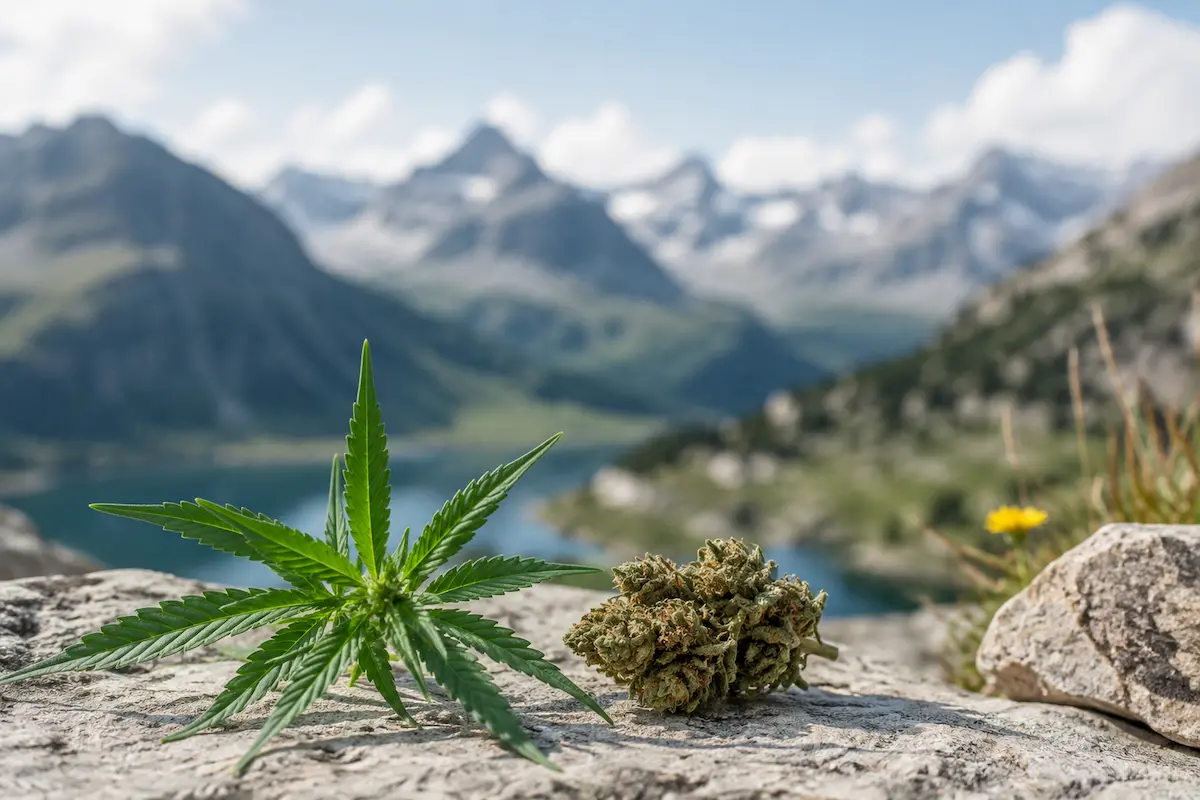
CBD-rich cannabis flowers containing less than 1% THC may be sold and purchased legally when they meet the other applicable requirements. When intended for smoking, they fall under tobacco product legislation as herbal smoking products. Their manufacture, labelling, declaration, advertising and supply are regulated. Selling them to anyone under 18 is prohibited in Switzerland.
Their resemblance to cannabis containing higher levels of THC may result in a check. The original packaging and a laboratory analysis may help identify the product, but do not in themselves constitute an absolute legal guarantee.
Food, drinks and food supplements
Hemp is not prohibited as a food: certain traditionally consumed parts, particularly seeds and oil obtained from seeds, may be used in compliance with food law. The situation is different for cannabinoids and for many CBD-enriched extracts.
According to the Federal Food Safety and Veterinary Office (FSVO), cannabinoids, whether derived from hemp, another plant or synthesis, are considered novel foods. They may only be placed on the market as food after the required authorisation has been obtained. A CBD oil intended to be swallowed is therefore not automatically lawful simply because its THC content remains below 1%.
CBD cosmetics
CBD may be used in a cosmetic product under certain conditions. The product must, in particular, be safe, have the required documentation and safety assessment, comply with the requirements relating to its composition and make no therapeutic claims. The authorities draw particular attention to highly concentrated oils presented as oral hygiene products: such a presentation does not make it possible to circumvent the rules applicable to food, chemicals or medicines.
Scented oils and other chemical products
An oil sold as an aromatic or scented product is subject to chemicals legislation. It must comply with the corresponding obligations, particularly regarding classification, labelling and safety. Its label must not be used to conceal a plausible oral or therapeutic use.
Medicines and therapeutic claims
A product presented as preventing, treating or relieving a disease may be classified as a medicine. It is then subject to therapeutic products legislation and cannot be freely sold as an ordinary CBD product. The fact that it contains less than 1% THC does not exempt it from the requirements applicable to medicines or, where applicable, from the need for authorisation.
How can you assess a CBD product before buying it?
A recent laboratory analysis linked to the relevant batch is useful, but is not enough to establish full compliance. Also check:
- the category and intended use indicated unambiguously;
- the THC and CBD content corresponding to the batch concerned;
- the list of ingredients and warnings appropriate to the product;
- the identity and contact details of the responsible company;
- the absence of unauthorised medical claims;
- the consistency between the label, advertising and use actually suggested.
The statements “aromatic product”, “not intended for consumption” or “for external use” do not make a product compliant if its overall presentation actually encourages another use.
Can you drive after consuming CBD?
A CBD product may contain an amount of THC compatible with its sale while still leaving enough THC in the blood to cause a problem when driving. Road traffic law applies its own rules, which are separate from those used to determine whether the product is a narcotic.
There is no universal period after which driving would be guaranteed to be risk-free: the result depends, among other things, on the product, the amount consumed, frequency of use and the individual. If you need to drive, the prudent option is not to consume any product that may contain THC.
Can you travel with a CBD product purchased in Switzerland?
Compliance in Switzerland does not constitute authorisation abroad. Other countries apply lower THC thresholds, prohibit certain forms of CBD or require specific documents. The rules of the destination country and of every country travelled through must be checked before departure, including when travelling by car or taking a connecting flight.
Returning to Switzerland also constitutes an importation. The product must comply with the Swiss provisions applicable to its category; a legal purchase abroad therefore does not guarantee that it may be imported.
Official sources to consult
Regulations evolve and the authorities may reassess the classification of a product. To check a specific situation, consult as a priority:
- the Federal Office of Public Health (FOPH) for the legal status of hemp and cannabis;
- the FSVO for cannabis, hemp extracts and cannabinoids in food;
- the FSVO for the requirements applicable to cosmetics;
- the FOPH for smoking products and the prohibition on supplying them to minors.
In summary, the THC content answers only the first question: does the product fall under narcotics legislation? Its marketing and use then depend on its category and all the requirements specific to it.
Related guides
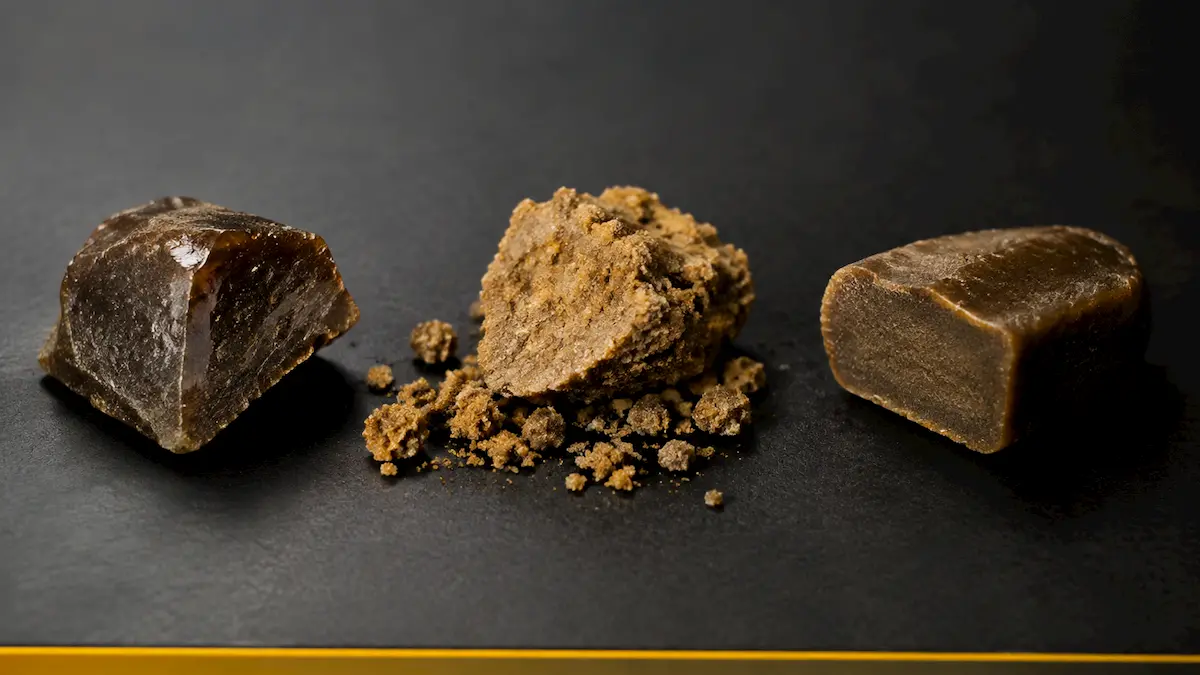
Hash textures: understanding glassy, cured, crumbly and creamy
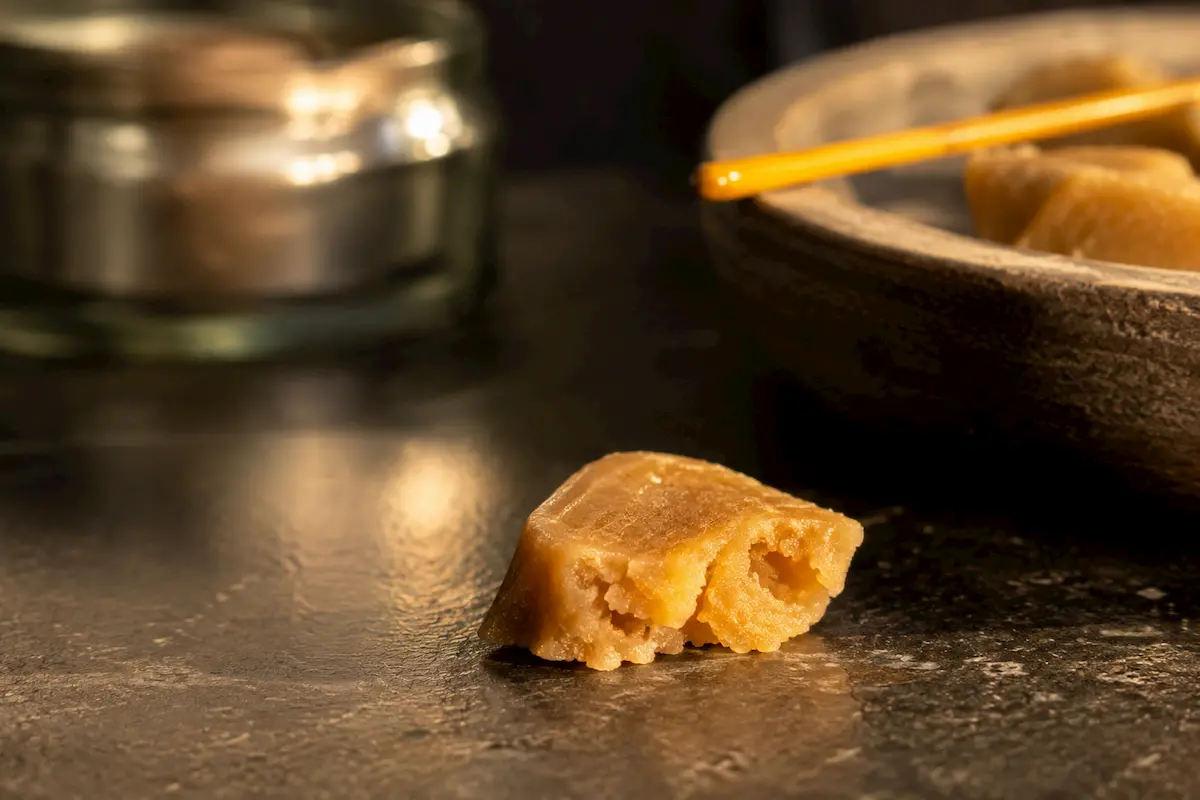
Piatella: understanding this cold-cured resin