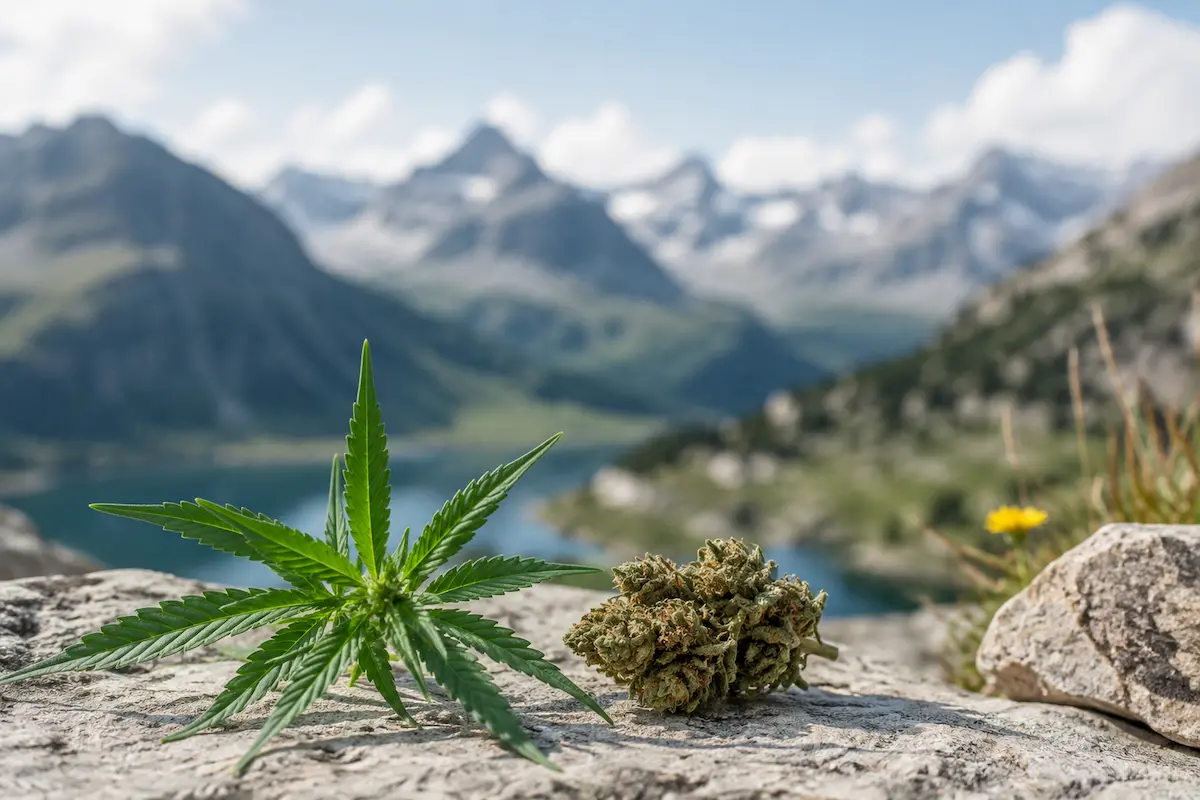
CBD Hash & Pollen: Methods, Textures and Key Points
Discover the differences between CBD hash and CBD pollen: production methods, textures, terpenes, cannabinoids and essential criteria for comparing quality products.
CBD Hash & Pollen: Methods, Textures and Key Points
CBD hash and CBD pollen are two products derived from hemp trichomes, the tiny resin glands that naturally concentrate cannabinoids and terpenes. Although they are often grouped in the same category, they differ significantly in terms of production, texture, appearance and composition.
This guide will help you understand these two products so that you can compare them more effectively and identify the characteristics of quality CBD hash or pollen.
Key points
- CBD hash and CBD pollen mainly come from hemp trichomes.
- Pollen is generally less compressed than hash.
- Texture varies according to the production method.
- Terpenes play an essential role in aromas.
- Quality depends as much on the raw material as on the process used.
What is CBD hash?
CBD hash, also known as CBD resin, is obtained from trichomes harvested from hemp flowers. After extraction, this resinous material is generally worked and then compressed to produce different textures.
Depending on the production methods, CBD hash can be:
- soft;
- oily;
- dry;
- crumbly;
- compact;
- creamy.
Each method influences its final appearance as well as its aromatic profile.
What is CBD pollen?
CBD pollen consists of trichomes carefully separated from the flowers. Despite its name, it is not the plant's botanical pollen, but a resin-rich powder obtained through sieving or other separation techniques.
Pollen is often lighter and less compact than traditional hash. Some products remain powdery, while others are lightly pressed.
CBD hash or CBD pollen: what are the differences?
| Criterion | CBD Hash | CBD Pollen |
|---|---|---|
| Production | Often compressed resin | Sieved trichomes, with little or no compression |
| Texture | Soft to compact | Powdery to slightly compact |
| Appearance | Block or patty | Powder or small grains |
| Handling | Easy to cut | Very crumbly depending on the product |
How are they made?
Production methods vary depending on the producer.
The most common techniques include:
- dry sifting (dry sift);
- mechanical compression;
- water filtration for certain types of hash;
- various artisanal or modern methods depending on the manufacturer.
Each process influences the texture, resin concentration and final characteristics of the product.
Terpenes: the source of aromas
The terpenes present in the trichomes are responsible for the characteristic aromas of CBD hash and pollen.
Depending on the varieties, they may include:
- citrusy notes;
- fruity aromas;
- woody fragrances;
- spicy notes;
- floral nuances;
- earthy notes.
Aromatic richness largely depends on the quality of the flowers used and the care taken during production.
How can you recognise quality CBD hash?
Several factors can be used to assess hash:
- uniform texture;
- natural and pleasant smell;
- no visible impurities;
- good elasticity depending on the type of hash;
- clearly stated composition;
How can you recognise quality CBD pollen?
Several criteria are also important for pollen:
- consistent particle size;
- natural colour;
- good aromatic richness;
- no excessive plant material;
Is storage important?
Yes. Like CBD flowers, hash and pollen are sensitive to heat, light and humidity.
To preserve their qualities, it is advisable to store them:
- in an airtight container;
- away from light;
- in a cool, dry place;
- while avoiding significant temperature fluctuations.
How can you compare several products?
Beyond the CBD content, several criteria should be considered:
- the quality of the raw material;
- the production method;
- the richness in terpenes;
- the texture;
- the producer's reputation.
Comparing all these factors makes it easier to appreciate the differences between two products.
Conclusion
CBD hash and CBD pollen both come from hemp trichomes, but their production and texture differ significantly. Understanding these differences, knowing the main production methods and being able to recognise a quality product makes it possible to choose CBD hash or pollen suited to your preferences.
Related guides
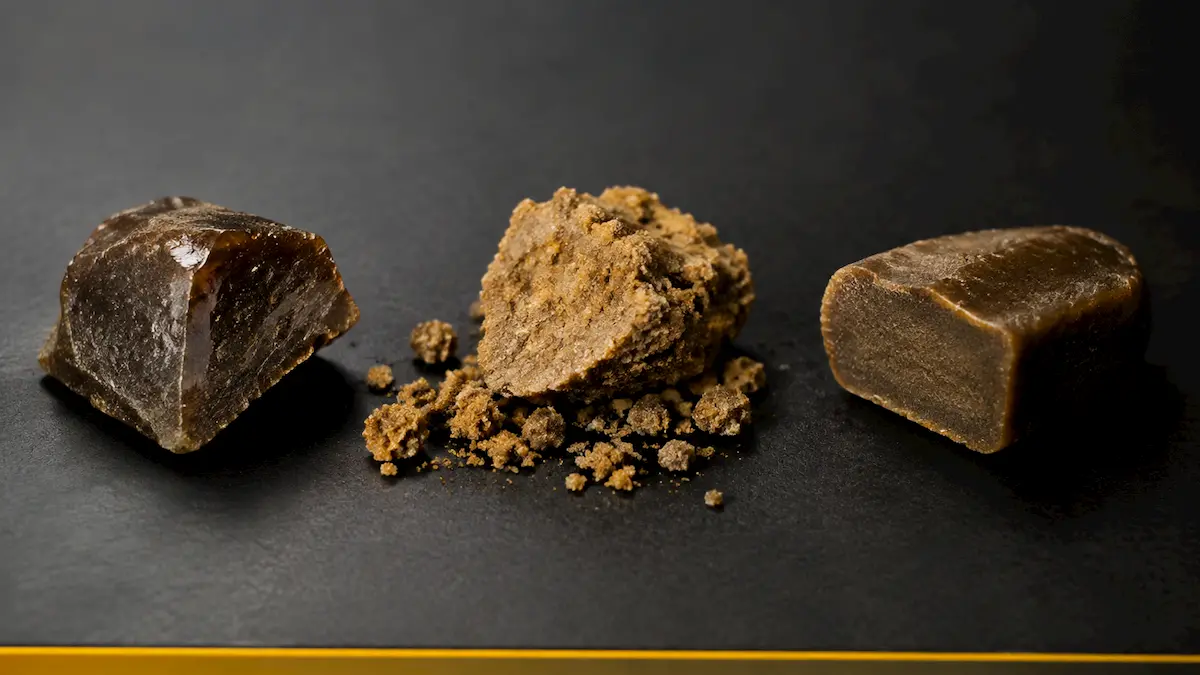
Hash textures: understanding glassy, cured, crumbly and creamy
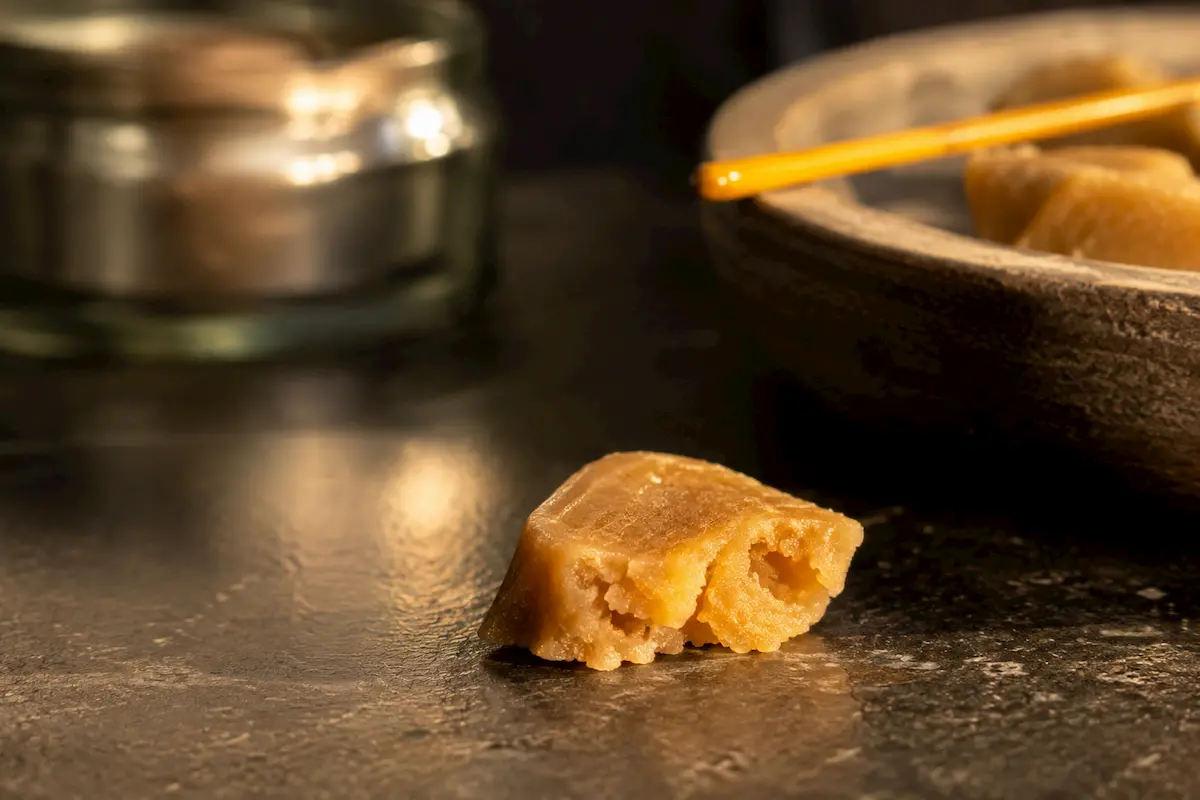
Piatella: understanding this cold-cured resin