CBD in Switzerland: understanding the law, products and selection criteria
This page gives you an overview of CBD in Switzerland and directs you to the guides suited to each question. You will find the essential information on cannabidiol, legislation, product forms and quality.
CBD in Switzerland: understanding the law, products and selection criteria
CBD occupies a special place in the Swiss hemp market. It is found in flowers, resins, oils and other preparations whose composition, intended use and regulatory framework may vary considerably.
This page brings together the information you need to find your way around. Each section presents the essentials and directs you to a guide devoted to the topic when you wish to explore it further.
What is CBD?
CBD, or cannabidiol, is one of the cannabinoids naturally found in hemp. It differs from THC, in particular because it does not produce a comparable intoxicating effect. However, the presence of CBD alone is not enough to define a product’s legality, quality or intended use.
To understand the origin of cannabidiol, its relationship with hemp and its differences from THC, consult the guide What is CBD?.
What is the legal framework for CBD in Switzerland?
In Switzerland, hemp containing less than 1% THC does not fall under narcotics legislation. This does not mean that every product containing CBD can be manufactured, presented or sold freely. The applicable requirements also depend on its category and intended use: tobacco substitute, cosmetic, foodstuff, therapeutic product or other.
The THC threshold is only a first point of reference. Labelling, composition, advertising and the product’s intended purpose also matter. An aromatic oil, an oil presented as a foodstuff and a medicinal product are not subject to the same rules.
The guide CBD legal in Switzerland provides details on the THC threshold, product categories, transport and the main points to watch out for.
What forms of CBD are available in Switzerland?
CBD is not a single product. The format chosen determines which information should be examined and, on its own, does not indicate quality.
- CBD flowers are the dried inflorescences of the hemp plant. Their profile depends in particular on the variety, cultivation method, drying, storage and terpenes.
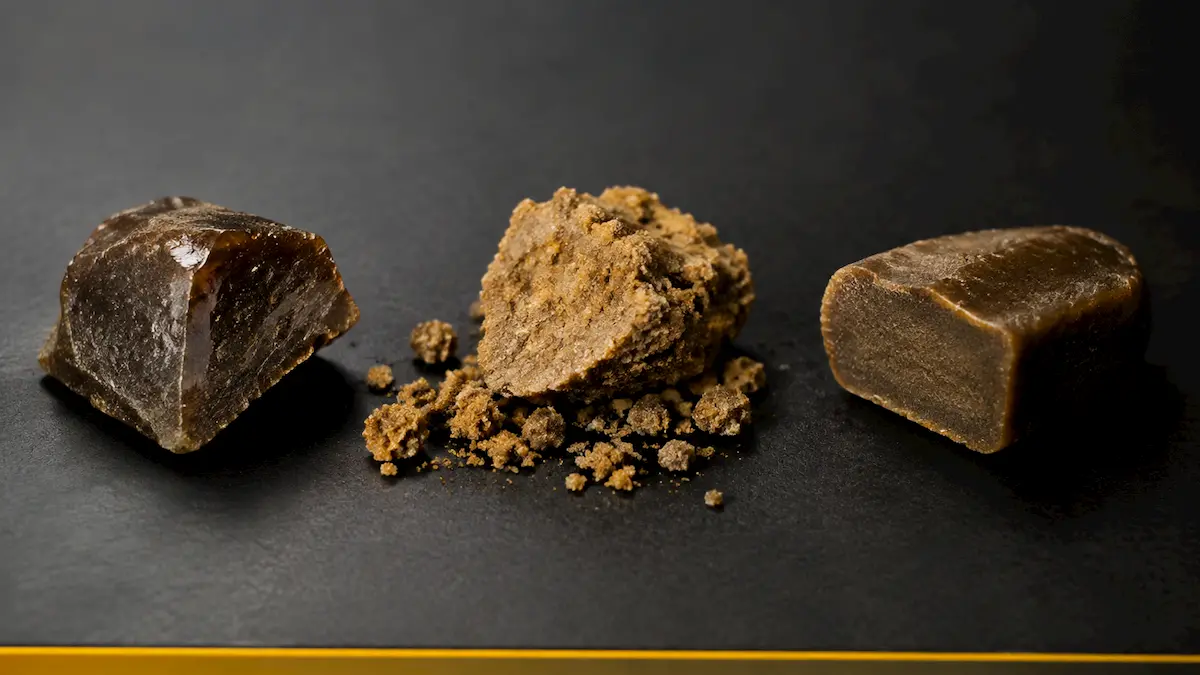
- Resins and pollens concentrate some of the plant’s trichomes. Their texture and composition vary according to the raw material and manufacturing method.
- CBD oils combine an extract or an isolate with a carrier oil. They differ in their concentration, composition and type of spectrum.
- Other products, such as certain cosmetics or aromatic preparations, are intended for specific uses and subject to rules specific to their category.
The guide CBD forms: what are the differences between flowers, resins, oils and extracts? allows you to compare these product families before looking into a particular product.
Explore a product family in greater depth
- CBD flowers: understanding, choosing and comparing
- CBD oils: how to choose well
- Full Spectrum or Broad Spectrum: understanding the difference
How do you choose a CBD product?
Start by defining the type of product you are looking for, then check the information that genuinely allows you to compare it. A high CBD content, Swiss origin or high price alone do not guarantee better quality.
In particular, examine:
- the product name and intended use;
- the list of ingredients or stated composition;
- the CBD and THC contents, with clear units;
- the origin of the hemp and the identity of the manufacturer or person responsible for placing the product on the market;
- the batch number and, where available, an analysis corresponding to that batch;
- storage advice and applicable warnings.
If you are new to the subject, the guide How to choose your first CBD product helps you proceed according to practical criteria, without seeking a universal product.
What can a laboratory analysis show?
An analysis can provide information on the cannabinoid concentrations in a sample and help verify the stated THC content. Depending on the tests carried out, it may also screen for certain contaminants. Its scope remains limited to the batch analysed, the substances tested for and the methods used.
Check that the document makes it possible to identify the laboratory, date, product or batch number, and the results with their units. A general statement such as “laboratory tested” provides little information without a verifiable document.
What precautions should you keep in mind?
A CBD product should not be considered a medical treatment on the basis of commercial claims. If you are undergoing treatment, are pregnant or breastfeeding, or have concerns about a health problem, seek advice from a healthcare professional before considering its use.
Caution is also necessary before driving. Some products may contain THC, even in small quantities, and a product’s commercial compliance does not guarantee that there will be no consequences during a roadside check.
Finally, a product authorised in Switzerland is not automatically authorised abroad. Thresholds and legal categories differ from country to country. Check the rules of your destination and transit countries before travelling.
Where can you find a more specific answer?
If your question concerns a specific situation or a particular concept, consult the relevant guide directly:
- to understand the molecule: What is CBD?;
- to learn about Swiss rules: CBD legal in Switzerland;
- to compare the main formats: CBD forms;
- to prepare for a first choice: How to choose your first CBD product;
- to browse common questions: The most frequently asked questions about CBD.
Related guides

How to use Gabi on gaiabis.ch
Hash textures: understanding glassy, cured, crumbly and creamy